
Occupational Therapy in Minnesota
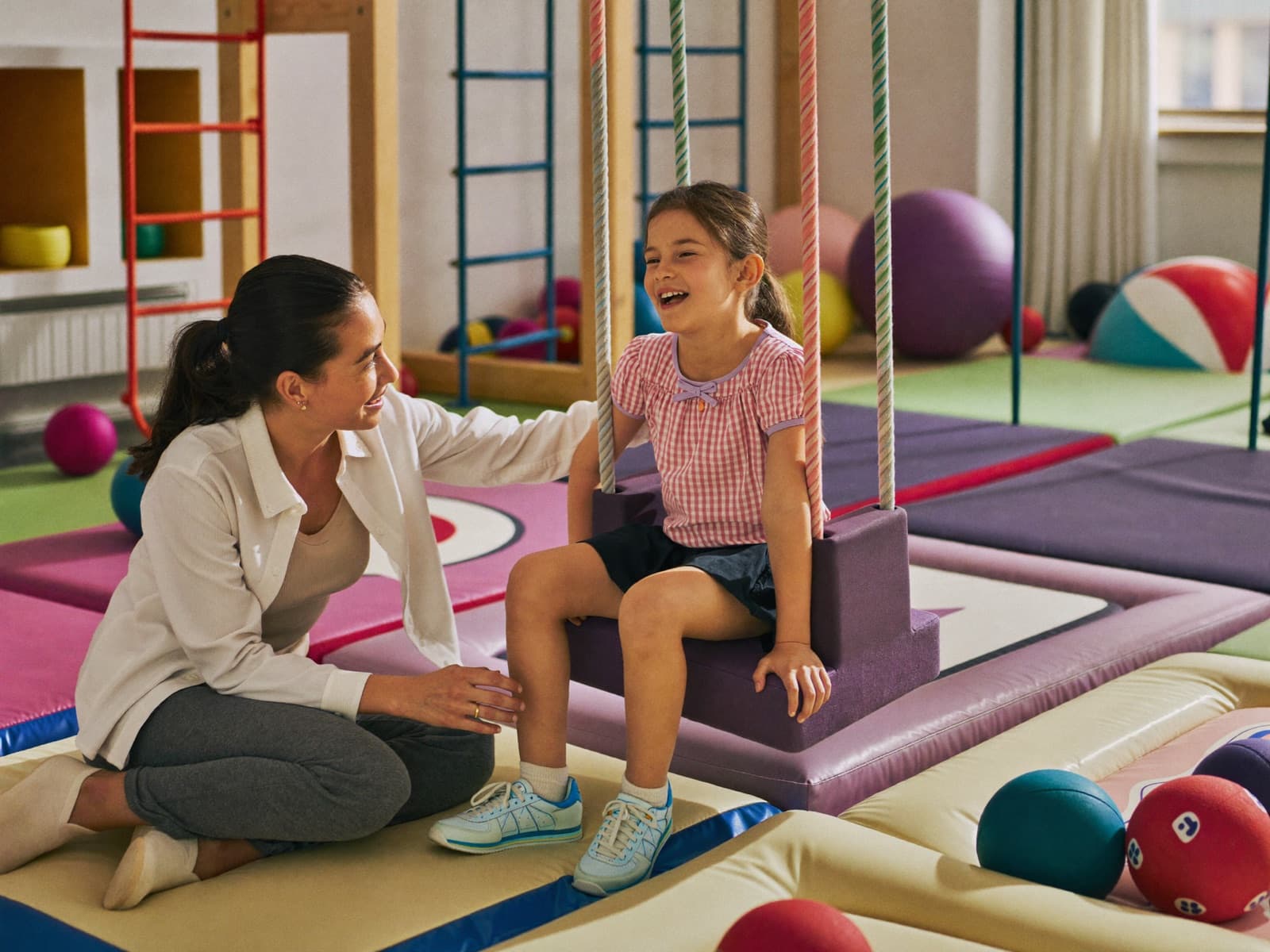
257 providers listed. Pediatric occupational therapy clinics across Minnesota working on sensory regulation, fine motor skills, feeding and daily-living skills. Many clinics have sensory gyms and coordinate care with speech and ABA providers.
Listing data comes from public sources and provider submissions. Insurance, ages and availability are shown when reported — always confirm details directly with the provider.
What is pediatric occupational therapy?
Occupational therapy helps children take part in everyday activities — dressing, eating, handwriting, play and self-regulation. For autistic children, OTs often focus on sensory processing and motor planning. OT is covered by most Minnesota health plans and Medical Assistance with a therapy order.
Questions to ask a provider
- Do you have a sensory gym or do you work in natural settings?
- How do you involve parents in each session?
- What does a typical treatment block look like?
- How do you measure progress toward goals?
Occupational Therapy in Minnesota: FAQ
What does a pediatric occupational therapist do?
Pediatric OTs help children with the skills of daily life — sensory regulation, fine motor skills, handwriting, dressing, feeding and play. For autistic children, OT often focuses on sensory processing and motor planning so everyday routines are easier.
Is occupational therapy covered by insurance in Minnesota?
Pediatric occupational therapy is covered by Medical Assistance and most Minnesota health plans with a therapy order, sometimes with visit limits or prior authorization. School-based OT is also available through an IEP at no cost to families.
Does my child need a referral for OT?
Most insurers, including Medical Assistance, require a physician order or referral for pediatric occupational therapy. Ask your child's doctor for an OT evaluation order, then confirm with the clinic what paperwork they need before the first visit.
What is sensory integration therapy?
Sensory integration is an OT approach that uses structured, play-based activities — swings, textures, movement — to help children process sensory input and stay regulated. Many Minnesota pediatric OT clinics have sensory gyms designed for this work.